CPO & Co-Founder · Apr 2024 – Dec 2025
Coda
ArchivedCoda bridges the gap between Web3 infrastructure and real-world music rights. As CPO & Co-Founder, I led product and technical direction. We built the entire frontend and backend from scratch and integrated the smart contract layer end-to-end to make music royalties investable, tradable, and transparent. Onboarded 1,000+ wallets, distributed $10k+ USDC to rights holders, and ran ~$80k of primary and secondary volume with $100k+ TVL across ~20 deployed contracts. Won 2nd place on the Etherlink track and the Coda Digital Entrepreneur-in-Residence track, securing $70k+ in non-dilutive funding.
 ERC-1155 · BASE23 releases · 82 distributions
A royalty marketplace, and the ledger underneath it
Coda tokenised music royalty rights as ERC-1155 shares. Buy a share of a release, and every royalty payout that release earns is split to your wallet in proportion to what you hold. The product shipped an exchange, a listing page and a portfolio. None of them drew a single chart, so these are the ones it never had.
A release is minted as one token id with a fixed supply of shares. Rights, term and track list are recorded with it.
Shares trade on the exchange, or land in wallets through an allocation drop. Roughly 960 wallets held each release.
When royalties arrive, the contract splits the pot pro rata and every holder claims their slice. That ran 82 times.

See Me Now

Better
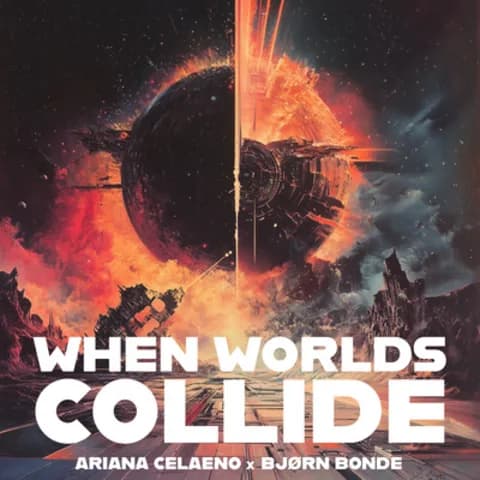
When Worlds Collide
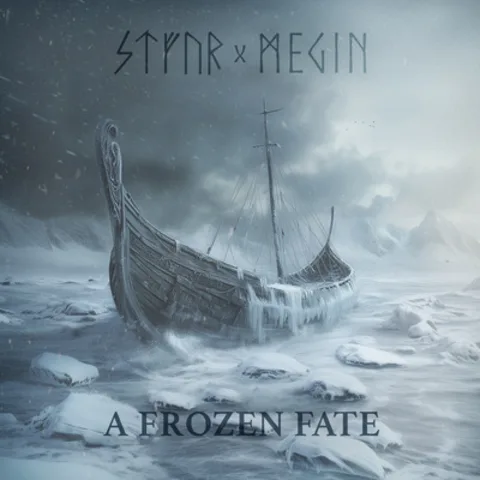
A Frozen Fate

Your Special
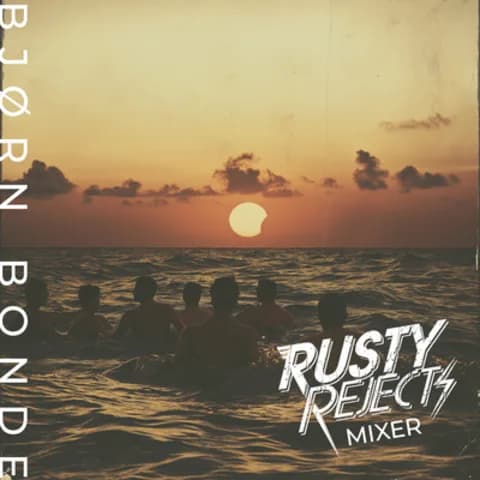
MIXER
Every figure here is read from the project's own archive: the release records, the allocation files, and a ledger of 82 on-chain distributions. Listing prices and order-book depth are the exception. They lived in the exchange contract and were rebuilt in memory every ten seconds, so only the floor was ever published and nothing survived. Those are illustrative, and labelled where they appear.
The Problem
The music industry is built on outdated, centralized systems. Independent artists can't access fair funding without signing away their rights. Fans and investors have no way to participate in the value of the music they love. Traditional contracts take months, involve intermediaries, and force creators to give up most of their rights in exchange for short-term advances.
The Solution
Coda turns music royalties into digital assets called Royalty Rights Tokens (RRTs), issued and traded transparently on-chain. Artists raise capital instantly by selling small portions of future royalties while keeping creative control. Fans buy fractional shares of songs and earn royalties as revenue comes in, tracking ownership value, trading prices, and reward history on a live dashboard. Fandom becomes ownership.
Hybrid Web2 + Web3 Experience
Unlike platforms that merely tokenize assets, Coda works seamlessly for both crypto-native and mainstream users. Every user can activate a Fiat Account, a proxy smart wallet deployed on-chain. They purchase and trade RRTs in USD or crypto, while Coda securely signs blockchain transactions on their behalf. Advanced users connect existing wallets like MetaMask or Coinbase Wallet to manage assets independently. Both paths lead to the same transparent on-chain ecosystem.
What We Built
End-to-end tokenization and sale of real music assets as ERC-1155 RRTs. Fiat purchases with automatic wallet deployment and signature abstraction. Live price charts, royalty history, and USD conversion for each token. Transparent royalty distribution via smart contracts. A secondary marketplace for trading tokens freely. I owned the full product surface, frontend and backend, integrated end-to-end with the smart contract layer authored by our Solidity engineer.
Market Position
Royalty Exchange runs traditional auctions for entire royalty streams in a centralized, institutional model with no blockchain. JKBX offers SEC-qualified royalty shares but with heavy compliance overhead and no on-chain transparency. Royal lets artists tokenize via NFTs but has limited secondary trading and fiat access. Coda combines fractional on-chain ownership, automated royalty payouts, fiat onboarding, and a full trading ecosystem, bringing Web2 simplicity with Web3 transparency.